Commissioner Interview: Elaine Rice Bachmann
Elaine Rice Bachmann spoke with the MD Two Fifty Commission about her education in art history and American material culture, her extensive career with the Maryland State Archives and the Maryland State House Trust, and her hopes for the U.S. Semiquincentennial.
By Mary Zell Galen, Programs and Partnerships Specialist
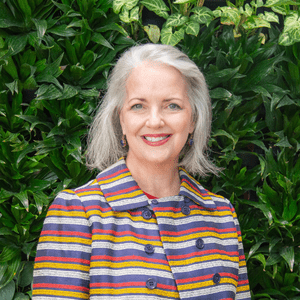
Elaine Rice Bachmann serves on the MD Two Fifty Commission representing the Maryland State Archives.
Early Introduction to the Arts
Describing her childhood in southern Indiana, Bachmann’s mother initially introduced her to the arts and history. As the youngest of six children, her childhood visits to historic sites and museums inspired her to study art history. She had the opportunity to earn her bachelor’s degree at Indiana University, which was only made possible by the public university offering an extensive catalogue of humanities degrees.
After cementing her interest in American art and antiques during her undergraduate education, she learned about the Winterthur Program in American Material Culture at the University of Delaware. The program provides a focused education on American art and serves as a training ground for museum curators. After two application cycles and an internship at the National Museum of American History, she was admitted into the program. She thrived in the master’s degree program, where she studied H. F. du Pont’s role in the White House restoration during the Kennedy administration. After her graduation, she served as a curator at the Talbot Historical Society in Easton.
From Curator to State Archivist
Following her first curatorial position, Bachmann moved to Annapolis to serve as the Curator of Artistic Property for the Maryland State Archives (MSA). While she never imagined working in state government, this role provided her with the opportunity to care for the state’s art collection. Her career advanced at the Archives, where she was eventually promoted to the role of State Archivist, Commissioner of Land Patents, in 2021. She also serves as Secretary of the State House Trust. She credits the relationships she built across state government that allowed her to advance her career at the MSA.
Coming from an arts background, Bachmann is eager to show how the state’s art collection can serve as an ambassador for the agency and help Marylanders better understand their place in history. Both works of art and monuments are important because they serve as a visual reminder of the past and physical manifestations of what society cared about at the time. By studying the works of art in a collection, art historians can learn both how the art collection priorities change over time and how these changes reflect societal values.
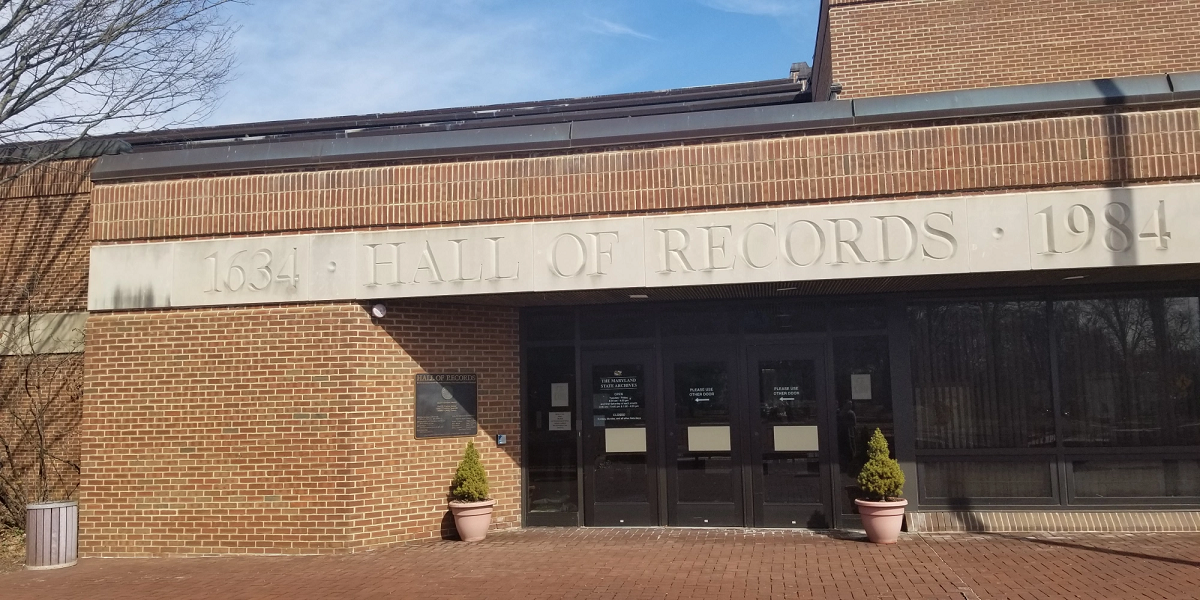
Bachmann iterated that the MSA is accessible to everyone and all are welcome to visit. The public can access state records, use computers to complete research, and view items from the archive’s collection. Its staff of dedicated archivists excel in public service and helping people. Besides serving as a repository for government records, MSA offers an array of public programming, including a virtual Lunch and Learn series offered in partnership with the Enoch Pratt Free Library and a series of community collections events throughout year aimed at helping communities learn how to preserve their own stories. Check out the MSA’s website to learn about additional events here.
Over the past twenty years, MSA has expanded multiple research programs to highlight Indigenous and African American records in their collections. A permanent part of research cohort, the Legacy of Slavery in Maryland program mines all the records in MSA’s collection that provide details about manumissions and formerly enslaved people. Mayis, an online portal providing documentation about native Marylanders, includes treaties and tribal documents. This portal is now searchable by phonetics, making locating documents more accessible to researchers.
America’s 250th Birthday
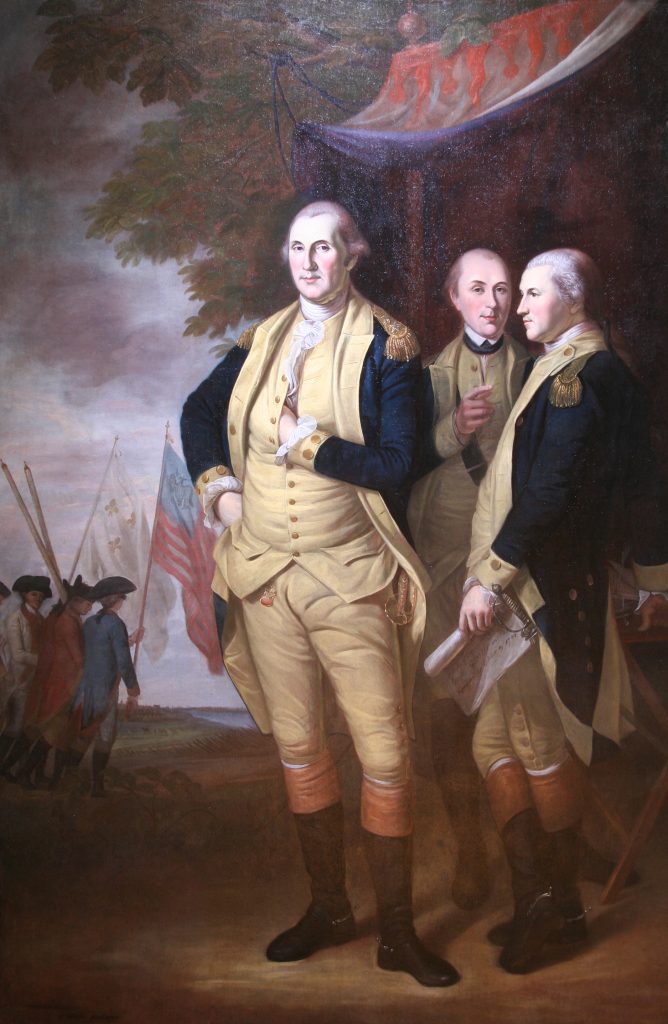
As the Semiquincentennial approaches, Bachmann reflected on the complexities of the commemoration. While remembering that her opportunities are not available for all people, she is deeply aware of how fortunate her life circumstances are in America. She is proud of the nation, but worries about growing polarization and hopes the United States can weather the storm.
Reflecting on her childhood memories of the Bicentennial, she is grateful to serve on the MD Two Fifty Commission. She is enthusiastic to hear about all the Marylanders who are telling history across the state. As an adult, she realized that not all Americans felt included in the Bicentennial commemoration and views the Semiquincentennial as an opportunity to make everyone feel invited to the party.
She encouraged individuals who might feel powerless or disillusioned to read history, as it takes the individuals away from the noise of the world and provides perspective on how people met challenges throughout the past. She also encourages individuals to support their local community and find opportunities to get involved on a local level and connect with people on a personal level. Helping others provides the opportunity to build both camaraderie and hope in response to national challenges.
Looking ahead to 2026, Bachmann feels fortunate to lead her agency in Maryland, where she feels supported telling lesser-known stories of Marylanders not represented in public records. She is enthusiastic about the MSA’s role in the 250th anniversary and hopes Maryland’s commitment to inclusive history throughout the commemoration will serve as an example for the rest of the country.