June Updates from the Maryland Mosaic
The high point of the 250th year is arriving.
Events in your neighborhood and across the nation are filling up schedules for the 4th of July and beyond. The fireworks will amaze, the bands play the best Sousa marches, so give some thought to those Americans who built our nation.
Here are some events from the past month, taken from the Maryland Mosaic, showing Maryland’s contribution to our American Experience.
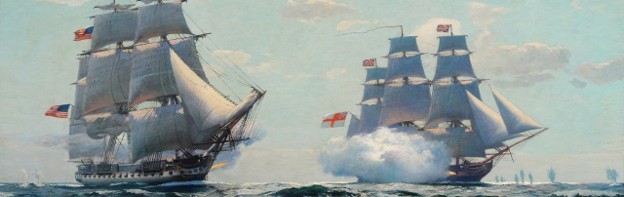
June 23, 1812 – Captain John Rodgers is born and raised in Cecil County. He commanded the frigate, USS President, and personally fired the first shot of the War of 1812 at the HMS Belvidera off Long Island.
June 14, 1922 – President Warren G. Harding delivered the first presidential radio address at Fort McHenry. It was broadcast over 30 miles away
June 19, 1942 – Camp Ritchie opened in Washington County to train German refugees fleeing the Nazis. The Ritchie Boys joined the American Army and made essential contributions as interpreters and scouts in the European campaigns.
You can find out more about these events and other Maryland “firsts” that show Maryland’s role in the growth of our nation here: www.marylandmosaic.org.
Special New Unexpected Event
One unique Maryland event this June stood out. A local soldier killed in the Revolutionary War and buried in a mass grave in South Carolina was identified through DNA tests and his name was going to be announced. Such a discovery is an extremely rare occurrence and allows him to have proper military honors for his sacrifice.
The June 16 morning event unfolded at the preserved 19th century Benson-Hammond House. I was fortunate enough to attend with my friend, Tripp Onnen, who described what happened in a Facebook post.
“Three Huzzahs for Private John Pumphrey!
Yesterday, near his childhood home in Anne Arundel County, the identity of Pvt. John Pumphrey, a young Maryland Continental Line soldier killed at the Battle of Camden (16 August 1780), was finally revealed after grueling investigative work led by the intrepid Allison Reid Peacock and her team at FHD Forensics.
Perhaps only sixteen at the time of his death, Pvt. Pumphrey was recorded as “missing” after the engagement, and since then, he has lain forgotten on the Camden Battlefield in South Carolina for nearly 246 years.
Pvt. Pumphrey marched with the Maryland Continental Line to the Southern Theater in the late spring of 1780, and though his parents had passed away by that time, he left several siblings at home when he went southward. It is almost certain they never knew exactly what happened to their brother. Yesterday, though, descendants of those siblings, whose DNA helped identify him, looked on with pride as Private Pumphrey’s name was restored to history.
It was a tremendous honor to participate in this project and to help give a name back to this young man who made the ultimate sacrifice for our independence. I feel that this is only the first of many fallen American Revolutionary War patriots who will be identified in this way. Such a thrill!”
Thank you Tripp for this report. Few Revolutionary soldiers buried in unmarked graves on battlefields have been identified. More will be found by modern DNA studies linked to genealogy.
Pvt. Pumphrey was very young when he enlisted in 1777. He was a veteran of many battles from Brandywine to Monmouth when he marched south in 1780 with the Maryland Line to meet a new British threat. Pumphrey was one of scores of casualties as the American forces were routed by the British at Camden. It is an extraordinary event for the Pumphrey descendants and the rest of us that this unsung Private Yankee Doodle now has his place among our military heroes.
It is important to remember that General Washington’s Maryland troops were consistently the best during the eight long years of the Revolution. I’m looking forward to a major 250th event commemorating the Battle of Brooklyn in August. The sacrifice of the Maryland 400 saved the American army in 1776. Three Huzzahs indeed!!!!