MARYLAND HAS THE BEST STORY FOR BLACK HISTORY MONTH
By Burt Kummerow and Mary Blair
Few states have as much to say about America’s Black history as Maryland. As a border between north and south, our state represents the successes and travails of Black Americans from slavery to the Civil Rights Movement. Several famous Marylanders, all remembered as firsts for the state and the nation in the Maryland Mosaic, illustrate this history from the eighteenth to the twenty first century.
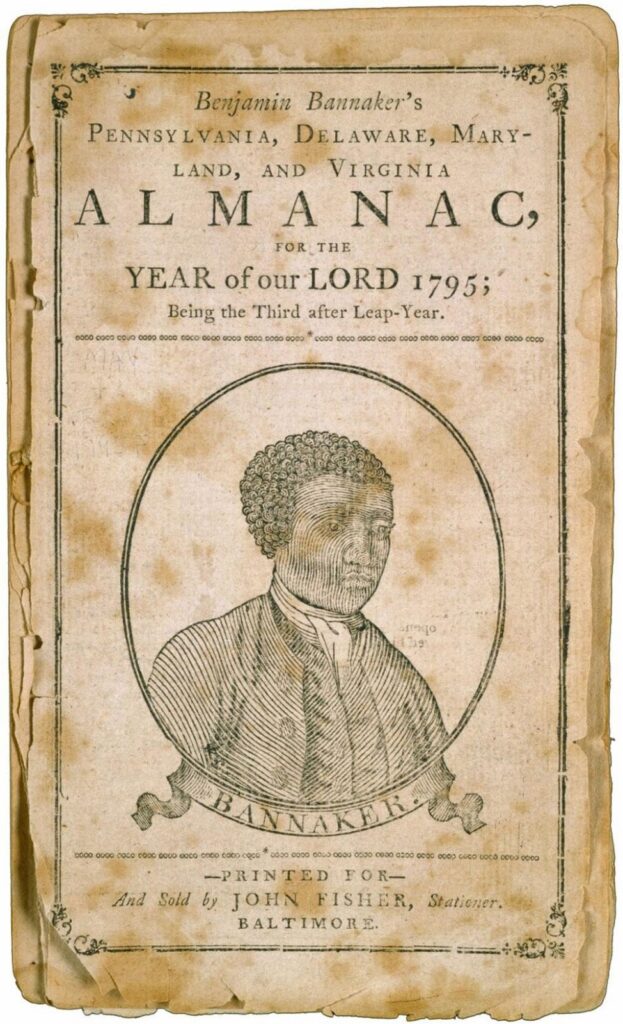
Self-taught scientist Benjamin Banneker worked as an astronomer, naturalist, and mathematician in the eighteenth century. Born and raised in Baltimore County, he participated in a survey of the District of Columbia’s original boundaries. Banneker also corresponded with Thomas Jefferson in 1791 about topics including racial justice.
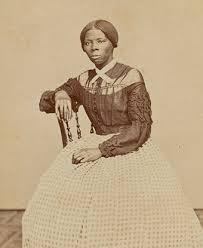
Both Frederick Douglass and Harriet Tubman led the charge to end slavery and make the Black community full citizens in the nineteenth century. Tubman escaped in 1849 from slavery in Dorchester County. She led dozens of others to freedom on Maryland’s Eastern Shore Underground Railroad earning the title “Moses of her people.” During the Civil War, she joined the Union cause as a scout, nurse and spy and helped many in South Carolina to escape from bondage.
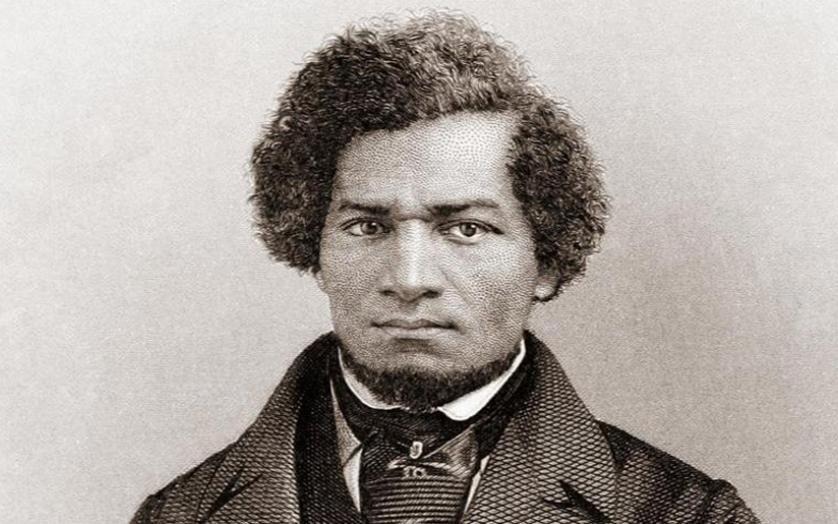
Frederick Douglass was also born in bondage in Talbot County but escaped disguised as a sailor in 1838 on a train bound from Baltimore to Philadelphia. He used his considerable talents as a speaker and writer to aid the North’s abolitionist movement. Advocating for full African American rights throughout his long career, Douglass gained international fame as a famous orator. He used the new access to photography to become one of America’s most famous nineteenth century citizens.
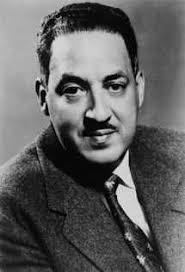
In the twentieth century, Baltimore’s Thurgood Marshall worked on civil rights with other important Marylanders including Lily Carroll Jackson and her daughter Juanita Jackson Mitchell. He fought to stop Jim Crow era segregation throughout his long legal career. Marshall led a successful 1954 U.S. Supreme Court case ending school segregation nationwide. In 1967, he became the first African American U.S. Supreme Court Justice.
This unique and impressive two century story of Maryland citizens pursuing freedom for all continues today. Our state has elected the country’s only current African American governor. Governor Wes Moore proudly follows the long progression of Black heroes.
During this 2026 U.S. 250th Commemoration, the country is again facing a struggle. Governor Moore is challenging all Marylanders to learn their state’s complex history. Knowing where we have been can help us move ahead.
You can learn more about Banneker, Douglass, Tubman, Marshall, and other famous Marylanders by going to www.marylandmosaic.org